With over 35 years of combined experience leading disaster recovery efforts, Greater Houston Community Foundation and United Way of Greater Houston formed the Greater Houston Disaster Alliance in 2023 to ensure the region has the networks and systems in place to accelerate recovery effectively in times of disaster.
Through an initial investment from Enbridge and Phillips 66, the Disaster Alliance catalyzes public and private partnerships and brings year-round focus to disaster preparedness and resiliency to reduce the harms caused by disaster on our most vulnerable residents.
Our Mission
To lead our community’s philanthropic disaster response, strengthen year-round preparedness, and ensure our region has the networks and systems in place to respond rapidly and effectively in times of disaster.
Our Vision
Building a more vibrant and resilient region to address the needs of our most vulnerable neighbors in times of disaster.
Phase One: What We Focused On
Over its first three years, the Disaster Alliance built and activated a high-functioning, collaborative disaster recovery system that significantly strengthens regional readiness and accelerates support to survivors.
Year 1: We established the Disaster Alliance’s core infrastructure, governance, and partnerships—re-engaging nearly 200 nonprofits and developing streamlined grantmaking processes tested through simulation.
Year 2:The Disaster Alliance demonstrated its capacity in action by rapidly mobilizing in response to two federally declared disasters, disbursing nearly $9 million to 35 nonprofits serving 4,100 households, and reducing grant turnaround time from 34 to 22 days, while advancing data partnerships, piloting innovative service delivery models, and deepening nonprofit and donor engagement.
Year 3: We further enhanced system coordination and long-term resilience by:
Executing pre-event MOUs to enable grant distribution within as few as 7 days
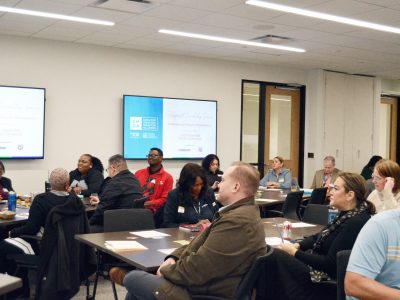
Convened over 150 nonprofit staff to build measurable sector-wide readiness
Invested in our system coordination partner, Connective, to enhance shared technology and coordination infrastructure
Identified high-need and under-resourced communities through data analysis
Secured national funding for targeted resilience initiatives
Contributed to city- and county-level strategy development
With each effort, the Disaster Alliance is positioning the region for more effective disaster recovery.
“Disaster recovery is not just about the immediate response, it’s about building systems that continuously improve. By strengthening coordination, measuring outcomes and investing in long-term resilience, we are helping ensure our region is better prepared for whatever comes next.”
- Amanda McMillian, president and CEO, United Way of Greater Houston
Phase Two: 2026 - 2029
As the Disaster Alliance looks ahead, with sustained investments from its founding lead sponsors and new investments from JPMorganChaseand Texas Mutual Insurance, it is building on progress made thus far and expanding its influence and impact. Grounded in continuous quality improvement, lessons learned, and co-designing with its partners, the Disaster Alliance is refining its approach and advancing key initiatives and measures.
2029 Vision
By the end of Phase Two (2026 – 2029), the Disaster Alliance will:
Key Initiatives
1
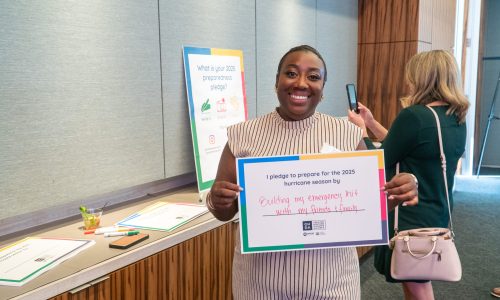
United We Prepare Annual Initiative
Expand inclusive, community-centered preparedness efforts through multilingual, culturally relevant education and outreach that reaches historically underserved populations.
2
Community Foundation Resilience Network
Advance regional and national resilience initiatives by leveraging strategic funding and cross-sector partnerships to pilot scalable solutions and inform long-term systems change.
3
Transforming Disaster Data & Communications
With an ACT Initiative planning grant, design systems through cross-sector collaboration and community voice that improve coordination, transparency, and decision-making.
4
Hurricane Harvey at 10: Building a More Resilient Future
Lead the development of a landmark Hurricane Harvey retrospective assessing a decade of recovery and resilience to inform future investment and policy priorities.
Key Priorities
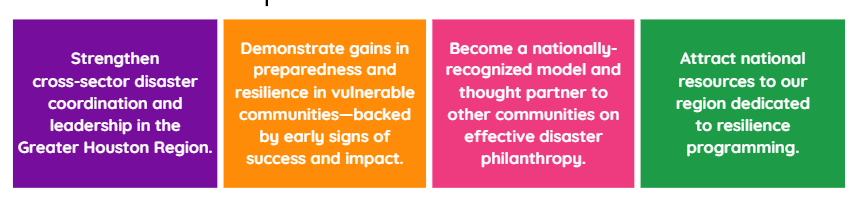
Strengthen Cross-Sector Disaster Coordination
Strengthen and lead on cross-sector disaster coordination entity in the Greater Houston region by:
working in close partnership with at least 125 vetted nonprofit, 5 public, and 5 private sector stakeholders to advance shared priorities;
achieving 90% nonprofit partner participation in coordinated intake and service delivery systems;
reducing time from disaster to Round 1 disaster grant deployment to 14 days or fewer;
improving partner satisfaction with coordination-related technology;
strengthening our system coordination partnership with Connective to build on existing progress and advance a more connected, responsive, and sustainable disaster recovery ecosystem.
Demonstrate Measurable Gains in Resilience
Demonstrate measurable improvements in preparedness and resilience within the nonprofit sector by:
establishing a Disaster Readiness Framework in 2026 and achieving a 25% improvement in readiness scores across participating nonprofit partners and communities;
directing at least 70% of preparedness and resilience resources to disproportionately impacted communities using data-informed targeting;
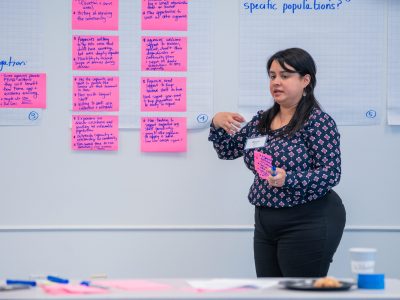
co-hosting preparedness workshops with ≥80% reporting increased knowledge or confidence;
directing at least 70% of disaster recovery funding to disproportionately impacted communities using data-informed targeting during fund activation(s).
Be A Nationally Recognized Model
Be recognized as a national model for disaster philanthropy by:
producing and disseminating at least four major thought leadership outputs (including the Hurricane Harvey 10-Year Retrospective, Community Foundation Resilience Network strategy and TDDC research findings);
completing at least six national presentations, consultations, or publications;
supporting at least three external communities or funders in adopting elements of GHDA’s partnership model.
Attract Resources to Our Region
Secure at least $2 million in new or national funding dedicated to resilience or preparedness programming in the Greater Houston region by expanding funding pipelines through regional and national partnerships.
Before launching the Disaster Alliance, our organizations jointly administered two disaster recovery funds in response to the COVID-19 pandemic and Winter Storm Uri. Through those joint funds we raised $36M, distributed grants to 109 nonprofit partners that supported the recovery of nearly 110,000 households.
Since launching the Disaster Alliance, we have administered two more disaster recovery funds, in 2024, raising $9.1 million and awarding grants to 35 nonprofit partners who repaired 368 homes and provided emergency financial assistance to more than 12,000 individuals in over 4,100 households.
Households Served
100000
Total Funds Distributed
$0
Recovering from Past Disasters
Our Efforts Make a Difference
Since the early stages of what is now the Greater Houston Disaster Alliance, together with their partners, United Way and the Community Foundation have helped people recover from major hurricanes, floods, winter storms, and a public health emergency, mobilizing philanthropic resources to support nonprofit-led recovery and strengthen our region’s long-term resilience.